Owning a home in the Caribbean is a dream for many people, but turning that dream into a real purchase takes some planning. If you are ready to buy a home in St Kitts, the process can feel like a big leap, especially on an island you may only know from a holiday. The rules for foreign buyers, the costs beyond the price and the choice of area all matter. This guide walks through the process in the order you will meet it, from checking the rules to getting the keys.
Can a foreigner buy a home in St Kitts?
Yes. You don’t need to be a citizen or a resident to buy here. The main difference from buying back home is that non-nationals generally need an Alien Land Holding Licence, which your attorney applies for as part of the purchase. Rules and fees get updated from time to time, so confirm the current details with a local attorney before you commit to anything.
Step 1: Be clear about what the home is for
This sounds obvious, but it shapes every other choice. Are you buying a place to live full time, a winter home, a rental you’ll earn from, or a property that supports a citizenship application? A buyer who wants a quiet retirement spot and a buyer who wants strong rental demand will end up looking in very different places.
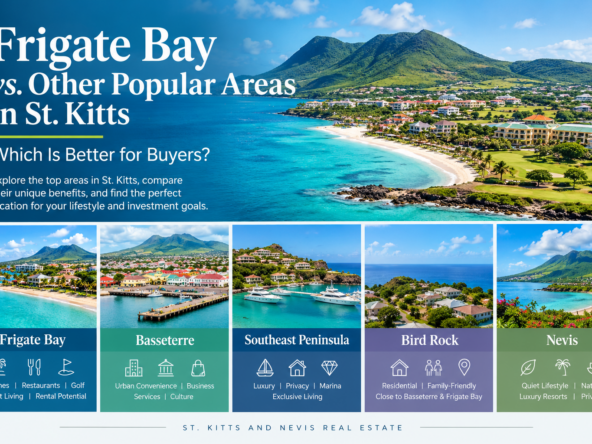
Step 2: Pick your area
St Kitts is small, but each area feels different.
- Frigate Bay: close to beaches, restaurants and nightlife. A common choice for holiday homes and rentals.
- Basseterre: the capital, with shops, services and everyday life on your doorstep.
- South East Peninsula: newer developments, big views and a more upscale feel. Christophe Harbour is the best-known name here.
- Nevis: a short ferry ride away, quieter and slower, and popular with buyers who want a calmer pace.
If you can, spend a week or two in your top choice before buying. Walking around at different times of day tells you things a listing never will.
Step 3: Work out the real budget
The asking price is only part of it. Plan for legal fees, the land holding licence, stamp duty and other transfer costs, plus insurance and ongoing upkeep. Hurricane and windstorm cover is worth pricing early, because it affects what the home really costs you each year. Your attorney can give you current figures for the taxes and fees.
To estimate monthly payments, you can use a mortgage calculator.
Step 4: Sort out your financing
Many overseas buyers pay cash, and it does make things simpler. If you need a mortgage, talk to lenders early. Terms for non-residents vary, and approval can take longer than you’d like. Knowing your options before you fall for a house saves a lot of stress.
Step 5: View homes and check the practical stuff
Whether you visit in person or do a video walkthrough with your agent, look past the pool and the view. Ask about:
- Water supply, and whether the home uses a cistern
- Backup power, such as a generator
- Internet quality, especially if you plan to work remotely
- Road access and drainage
- Any history of storm damage or repairs
These are the things that decide whether a home is easy or annoying to own.
Step 6: Make an offer
Once you’ve found the one, your agent helps you make an offer and negotiate. When you agree on a price, you sign a sales agreement and usually pay a deposit. Read the conditions carefully, and have your attorney review the agreement before you sign.
Step 7: Let your attorney do the due diligence
This is the step not to rush. A good attorney checks the title, confirms the seller has the right to sell, handles the licence application and makes sure there are no surprises like unpaid taxes or boundary disputes. If the home is part of a development, they’ll also look at the rules that come with it.
Step 8: Closing and handover
At closing, you pay the balance and the taxes and fees, and the transfer is registered. Then you get the keys. How long it takes depends on the licence, your financing and the paperwork, so ask your agent and attorney for a realistic timeline rather than a promise.
Buying with citizenship in mind
Some buyers choose a home because it qualifies for the Citizenship by Investment programme. If that’s you, the property must be an approved one, and there are rules about the investment amount and how long you hold it. Check the current requirements with the official Citizenship by Investment Unit, and read the overview of the Citizenship by Investment programme before you start looking.
Common mistakes buyers make
- Skipping the attorney or rushing due diligence
- Budgeting for the price and forgetting the extra costs
- Choosing a home from photos without checking water, power and access
- Buying in an area they’ve never visited
None of these are hard to avoid, as long as you know about them early.
Frequently asked questions about buying a home in St Kitts
Can foreigners buy a home in St Kitts?
Yes. You don’t have to be a citizen or a resident. Non-nationals generally need an Alien Land Holding Licence, which your attorney applies for as part of the purchase. Check the current rules with a local attorney before you sign anything.
Do I need to live in St Kitts to buy a home?
No. Many of our buyers live overseas and use the home for holidays, rental income or a future move.
How much does a home in St Kitts cost?
It depends on the area and the type of property, from apartments and condos to large villas. Listing pages show what is currently on the market and at what price. On top of the purchase price, budget for legal fees, the licence, transfer costs, insurance and upkeep.
What taxes and fees should I expect when buying?
Expect legal fees, the land holding licence for non-nationals and stamp duty or other transfer costs. Rates and rules change, so ask your attorney for the current figures before you make an offer.
Can I get a mortgage as a non-resident?
Sometimes. Lending terms for non-residents vary, and many overseas buyers pay cash. If you need financing, speak to lenders early and use a mortgage calculator to estimate your monthly payments.
How long does it take to buy a home in St Kitts?
It depends on your financing, the licence and the paperwork. Once you’ve chosen a property, your agent and attorney can give you a realistic timeline.
Can I rent out my home in St Kitts?
Many owners do, either short term or long term. Rental demand depends on the area, so ask a local agent about the neighbourhood you’re considering. Some owners also hire a property manager if they live overseas.
Does buying a home give me citizenship?
Not automatically. Only approved properties qualify for the Citizenship by Investment programme, and there are rules on the investment amount and how long you must hold it. Check the current requirements with the official Citizenship by Investment Unit and read the Citizenship by Investment page.
Can I buy a home in St Kitts without visiting?
It’s possible, using video tours and a trusted local agent and attorney. Visiting at least once is still worth it if you can manage it, so you can see the area for yourself.
Which area is best for buying a home?
There’s no single best area. Frigate Bay suits buyers who want beaches, restaurants and rental potential. Basseterre has everyday services. The South East Peninsula offers newer, more upscale developments, and Nevis is quieter. The right choice depends on your budget and how you plan to use the home.
Final thoughts
Buying a home in St Kitts mostly comes down to doing things in the right order: decide what the home is for, choose an area, set a realistic budget and let a local attorney handle the checks. If you’d like to see what is currently on the market, SKNIH lists homes for sale in St Kitts, and the team can be reached on +1 869 662-5077 with questions.