If you’ve ever dreamed of waking up to warm sea breezes, uncrowded beaches, and a slower, more intentional pace of life, living in St Kitts and Nevis might already be on your radar. These twin Caribbean islands are quietly becoming a magnet for expats, retirees, remote workers, and property investors who want beauty without the chaos of overcrowded tourist hubs.
But what’s it actually like to live here long-term? Is it affordable? Can foreigners buy property easily? And what kind of rentals are available if you’re not ready to buy yet?
This guide covers everything you need to know about living in St Kitts and Nevis as a foreigner—from real estate options and rental trends to everyday lifestyle realities—so you can make a confident, informed move.
Why More Foreigners Are Moving to St Kitts and Nevis
In recent years, interest in living in St Kitts and Nevis has grown steadily. Unlike some Caribbean destinations that feel commercialized or overly crowded, these islands still offer authenticity. You get tropical beauty, but with a grounded, community-driven atmosphere that many expats find refreshing.
A few reasons foreigners are choosing these islands:
- Stable political and economic climate
- English as the official language
- Strong expat-friendly residency programs
- Safe, welcoming communities
- Year-round warm weather
There’s also a strong appeal for those seeking a hybrid lifestyle. Many newcomers split time between the Caribbean and their home country, especially remote professionals and digital entrepreneurs.
The Lifestyle: What Daily Life Really Feels Like
Life here runs on island time—and that’s both the biggest draw and the biggest adjustment for newcomers.
If you’re used to fast-paced cities, living in St Kitts and Nevis will feel like a reset. Days unfold slowly. People prioritize relationships over schedules. And the natural environment plays a central role in everyday life.
Expect a lifestyle built around:
- Beach walks and outdoor living
- Fresh seafood and local produce
- Close-knit neighborhoods
- Relaxed social culture
That said, you’ll still find modern comforts like international schools, reliable internet in key areas, and a growing number of coworking-friendly cafés catering to remote workers.
Cost of Living: Is It Expensive?
The cost of living varies widely depending on your lifestyle and housing choices. Imported goods can be pricey, but local produce and services are often more affordable than in major Western cities.
Typical monthly costs for a comfortable lifestyle include:
- Groceries: Moderate to high (depending on imported goods)
- Utilities: Reasonable, though electricity can be higher due to island energy costs
- Dining out: Affordable if you stick to local spots
- Transportation: Manageable, especially if you don’t drive daily
Housing is the biggest variable—and often the deciding factor for foreigners planning a move.
Real Estate Options for Foreigners
One of the biggest advantages of living in St Kitts and Nevis is how accessible the property market is to foreigners. Unlike many countries with strict ownership rules, these islands actively encourage international buyers.
Foreigners can legally purchase property, and many do so as part of a long-term relocation or investment strategy.
Cheap Houses for Sale in St Kitts
If you’re exploring cheap houses for sale in St Kitts, you’ll be surprised by the range of options. While beachfront villas can reach premium prices, inland homes and fixer-uppers are often significantly more affordable.
Budget-friendly opportunities typically include:
- Modest homes in local communities
- Older properties with renovation potential
- Hillside houses with ocean views at lower price points
Savvy buyers often start with smaller homes and upgrade later, especially once they’ve spent time understanding the local property landscape.
Renting Before Buying: A Smart First Step
Many newcomers choose to rent for their first 6–12 months. This gives you time to explore neighborhoods, understand commute times, and decide whether St Kitts or Nevis suits your lifestyle better.
The rental market has expanded in recent years, especially with the rise of remote workers and long-stay visitors.
Student Houses for Rent
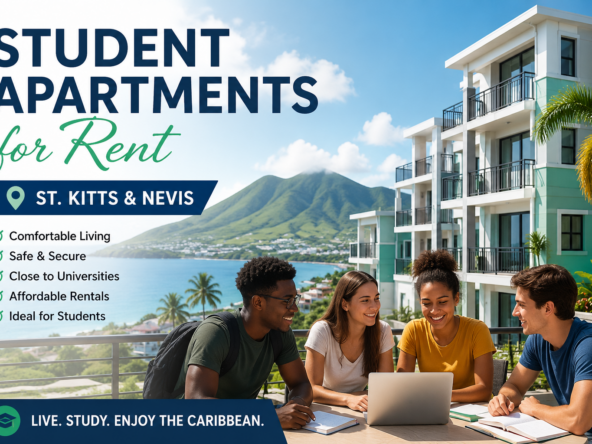
If you’re relocating for education or moving with a student, student houses for rent are widely available near academic hubs. These properties are typically more affordable and designed for shared living, making them ideal for younger residents or budget-conscious expats.
Features often include:
- Furnished rooms
- Shared kitchens and living spaces
- Proximity to transport and campuses
Even non-students sometimes choose these rentals as an affordable entry point while settling in.
Pet Friendly Beach Rentals
For animal lovers, finding pet friendly beach rentals is entirely possible—but it does require planning. Not all landlords accept pets, particularly in high-end tourist zones, but demand has led to more flexible rental listings in recent years.
If you’re bringing pets, consider:
- Long-term rentals rather than short stays
- Private villas or standalone homes
- Working with local agents who understand pet policies
Beachside living with pets is one of the biggest lifestyle upgrades many expats rave about once they make the move.
Healthcare and Infrastructure
Healthcare in St Kitts and Nevis is solid for routine needs, with public hospitals and private clinics available. For complex procedures, some residents travel to nearby countries or the U.S., which is common across smaller island nations.
Infrastructure continues to improve, particularly in areas popular with expats. Reliable mobile networks, upgraded roads, and growing retail options have made living in St Kitts and Nevis more convenient than ever before.
Education and Family Life
Families considering relocation will find a mix of local and international schooling options. Several private schools follow British or international curricula, making transitions easier for expat children.
Family life tends to be outdoor-focused and community-oriented. Kids grow up surrounded by nature, and the slower pace often translates into a more balanced upbringing compared to dense urban environments.
Residency and Long-Term Planning
One reason living in St Kitts and Nevis attracts global interest is its clear residency pathways. Whether you’re relocating for lifestyle, retirement, or investment, there are structured options that make long-term planning easier.
Many foreigners initially arrive on extended stays and transition into residency once they’re confident the islands align with their goals.
Challenges to Be Aware Of
No destination is perfect, and it’s important to approach relocation with realistic expectations.
Common challenges include:
- Slower bureaucracy compared to major countries
- Limited shopping variety for imported brands
- Occasional supply chain delays
- Higher electricity costs
However, most expats find that the lifestyle trade-offs are more than worth it.
Is Living in St Kitts and Nevis Right for You?
If you value natural beauty, community living, and a calmer pace of life, living in St Kitts and Nevis can be incredibly rewarding. It’s particularly well-suited for:
- Remote workers seeking lifestyle upgrades
- Retirees looking for warmth and simplicity
- Property investors exploring Caribbean markets
- Families wanting a safer, slower environment
The key is approaching the move thoughtfully—visit first, rent before buying, and connect with local experts who understand the nuances of relocating here.
Final Thoughts
Relocating abroad is always a big decision, but living in St Kitts and Nevis offers a rare blend of beauty, opportunity, and simplicity. Whether you’re searching for cheap houses for sale in St Kitts, exploring student houses for rent, or dreaming of pet friendly beach rentals, the islands provide options for a wide range of lifestyles and budgets.
With the right preparation and realistic expectations, life here can feel less like a permanent vacation—and more like finally finding the balance many people spend years chasing.